

News Summary
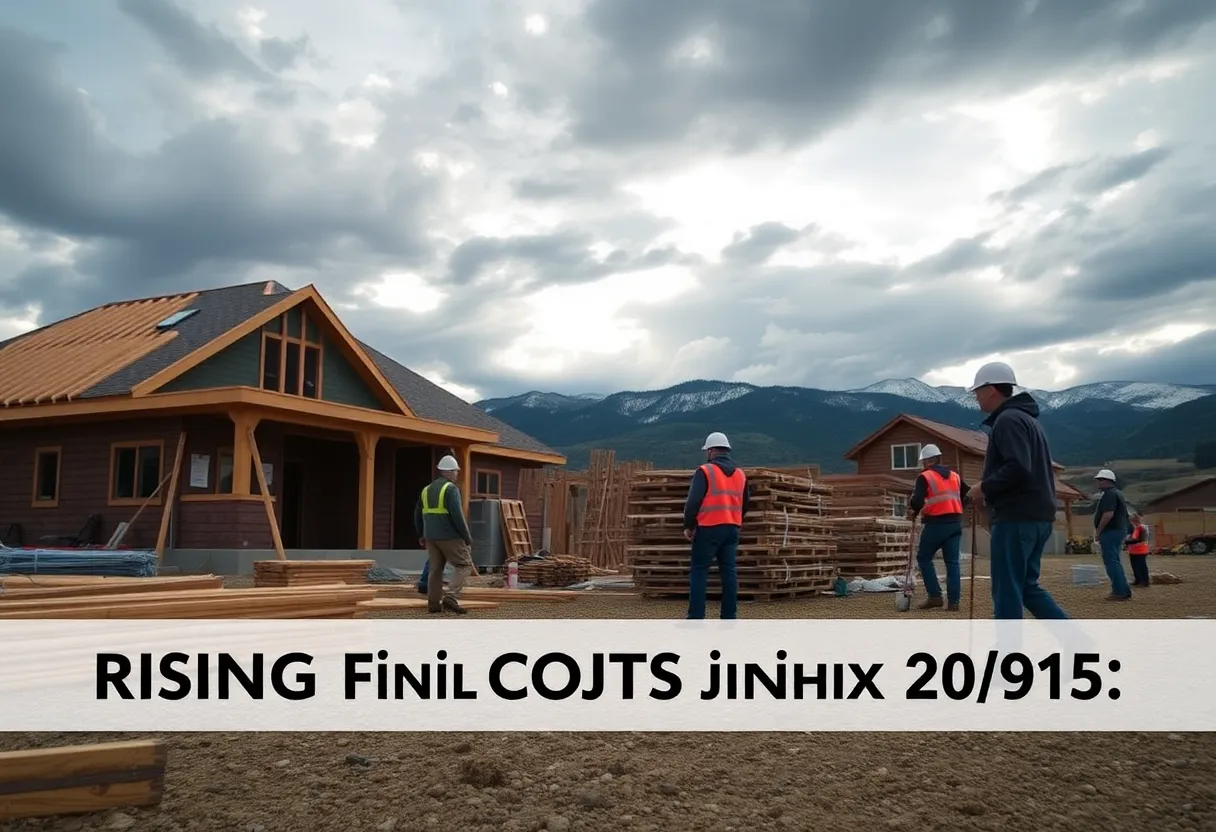
The construction sector in Denver and surrounding areas is facing significant challenges as rising tariffs and material costs threaten development and housing affordability. Tariffs on essential construction materials have surged dramatically, resulting in increased costs for construction, which could impact economic growth. A slowdown in housing construction activity is anticipated, exacerbating affordability issues, particularly in rural areas. The governor has expressed concerns about the tariffs’ effects on the economy and consumer costs, with legal developments adding uncertainty to their future.
Denver, Colorado – Rising Tariffs and Material Costs Threaten Construction Industry Stability
The construction sector in Denver and surrounding areas faces significant challenges as escalating tariffs and material prices threaten to curb development, impact economic growth, and alter housing affordability within Colorado. The latest report from the Colorado Office of State Planning & Budget underscores how these trade policy shifts are affecting both businesses and consumers statewide.
Sharp Increase in Tariffs Raises Costs Significantly
Between 2024 and 2025, tariffs on essential construction materials have surged from an average of 3% to 21%, marking a sevenfold increase. This escalation is among the highest in over a century, with the last comparable period in 1910. The heightened tariffs have directly contributed to increased costs across various sectors, notably construction, agriculture, energy, healthcare, technology, and durable goods, which together make up over 90% of Colorado’s international trade.
Construction Material Costs and Their Impact
Rising tariffs have contributed to a 20-40% increase in the prices of raw materials such as steel, aluminum, and copper compared to 2020 levels. This surge has led to a 15-25% increase in the costs of residential construction materials over the past five years. Materials used in building homes, which comprise roughly 35-50% of total construction costs, are experiencing the greatest impact, prompting developers and builders to reconsider or delay projects amid weaker demand and high capital costs.
Economic Implications for Colorado’s Housing Market
The rise in material costs has contributed to a slowdown in housing construction activity. Although permits for new home construction were initially projected to increase by nearly 4% in 2025, recent revisions now indicate a growth rate of only 0.5%, with forecasts showing activity remaining close to 2024 levels. This slowdown exacerbates existing affordability issues, especially in rural areas like the Western Slope where construction accounts for 9% of regional GDP and 10% of local jobs. The decreased activity is likely to hamper efforts to address Colorado’s housing deficit, which has shrunk from a peak of 140,000 homes in 2019 to approximately 106,000 in 2023.
Regional Impact and Economic Concerns
Major counties such as Eagle, Garfield, and Mesa, along with the Denver Metro Area, are expected to experience pronounced effects of the tariffs, including higher project costs and delayed developments. Construction employment in these regions supports over 190,000 workers across more than 22,000 businesses. The sector’s contribution to the Colorado economy remains substantial, with a total output of $33 billion—accounting for about 6% of the state’s gross domestic product in 2024.
Governor’s Response and Legal Uncertainty
The governor of Colorado has publicly expressed concern over the tariffs, noting their deleterious effect on consumer costs and the broader economy. Families face increased financial burdens as construction costs escalate, further complicating efforts to enhance affordable housing. Meanwhile, recent legal developments have cast doubt on the future of the tariffs; a federal appeals court affirmed that the executive branch may lack authority to enforce many of these tariffs, with a ruling expected by mid-October 2025. The potential rollback or modification of tariffs could have significant repercussions for the construction industry and the overall regional economy.
Summary
Colorado’s construction sector is currently navigating a period of heightened uncertainty driven by unprecedented tariff increases and rising raw material costs. These factors are dampening construction activity, affecting housing affordability, and threatening regional economic stability, particularly in rural communities. As legal and policy debates continue, stakeholders remain attentive to potential shifts that could alter the trajectory of Colorado’s economic recovery and development efforts in the coming months.
Deeper Dive: News & Info About This Topic
HERE Resources
Nevada Job Market Experiences Notable Decline
Construction Industry Faces Labor Shortages and Rising Material Costs
Challenges Faced by the U.S. Construction Industry
Construction Industry Faces Challenges Amid Tariff Changes
Altadena, California — Construction and Housing Market Faces Uncertainty Amid Tariff Discussions
Construction Delays and Workforce Shortages Impacting Projects
Northern Virginia Sees Major Business Relocations and Economic Growth
Belpre City Schools Announces Major Campus Expansion
California Distributes $26 Million for Women in Construction
New York City: Economic Data and Fed Meeting Impacting Real Estate
Additional Resources
- Vail Daily
- Google Search: construction tariffs
- Colorado Biz
- Wikipedia: Tariff
- Denver Post
- Encyclopedia Britannica: economics