

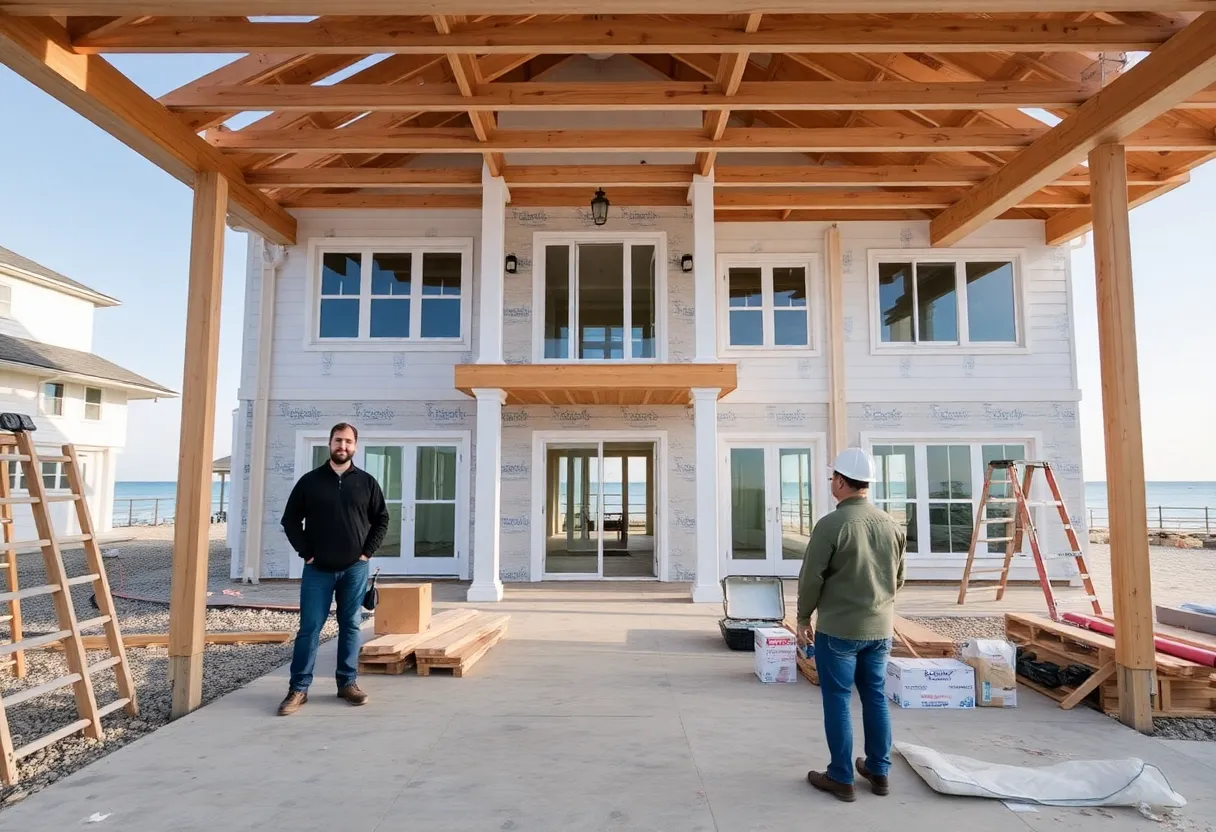
What Are the Key Questions to Ask Your Virginia Beach Home Builder Before Signing a Contract?
Building a new home represents one of the most significant investments in life, especially in a vibrant region like Virginia Beach. The decision to engage a home builder demands thorough inquiry and careful evaluation. Before signing any contract, homeowners must navigate critical questions to ensure transparency, quality, and alignment with their expectations. This comprehensive guide highlights key questions that prospective clients should pose to their prospective Virginia Beach home builders.
Understanding the Builder’s Credentials and Reputation
1. Are You Licensed and Insured?
The foundation of any trustworthy home builder begins with proper licensing and insurance. Ask to see current licenses valid for Virginia Beach and Virginia to verify compliance with state regulations. Additionally, confirm that the builder holds adequate insurance coverage, including general liability and workers’ compensation. This protects you from liability and ensures proper accountability if accidents or damages occur.
2. Can You Provide References and Portfolio of Previous Work?
Seek concrete evidence of the builder’s craftsmanship and reliability. Request references from recent clients and examine their homes. A reputable builder should happily supply testimonials and photos of their completed projects. Pay attention not only to aesthetics but also to construction quality and adherence to timelines.
3. What Is Your Experience with Homes in Virginia Beach’s Climate?
Virginia Beach’s weather patterns—characterized by humidity, storms, and coastal conditions—pose specific challenges. Confirm that the builder has practical experience constructing homes resilient to such environmental factors. Their familiarity with local building codes and climate considerations is essential for durability and safety.
Assessing the Construction Process and Timeline
4. What Is the Typical Timeline for Completing a Home?
Clarify the estimated schedule from groundbreaking to move-in. Ask about milestones, potential delays, and factors that could influence the timeline. A clear, detailed timeline reflects professionalism and helps align expectations.
5. How Do You Handle Change Orders and Modifications?
Changes are common during construction. Understand how the builder manages modifications, including procedures for approval, added costs, and delays. Transparent communication about change processes prevents miscommunication and surprises.
6. Who Will Manage the Project On-Site?
Identify the point of contact responsible for daily oversight. An experienced site manager ensures construction adherence to plans, quality standards, and timelines. Confirm their credentials and availability for queries or issues during construction.
Cost and Payment Structure
7. How Is the Pricing Structured?
Request a comprehensive, detailed estimate that itemizes costs for materials, labor, permits, and other expenses. A fixed-price contract offers predictability, whereas a cost-plus arrangement might entail variable expenses. Ensure clarity on what is included and excluded.
8. What Are the Payment Terms?
Ask about payment schedules aligned with project milestones. Typically, payments are tied to stages like foundation, framing, and nearing completion. Avoid large upfront deposits; standard practice involves staged payments to safeguard your investment.
9. Are There Any Potential Additional Costs?
Inquire about unforeseen expenses, such as upgrades, unforeseen site issues, or regulatory requirements, that could inflate costs. Understand how such costs are communicated and approved.
Quality Assurance and Warranties
10. What Quality Standards and Materials Do You Use?
Clarify whether the builder follows industry standards and uses certified, durable materials suitable for Virginia Beach’s environment. Confirm if they subcontract or perform most work in-house.
11. Do You Offer Warranties on Your Work?
Verify the scope and duration of warranties provided—typically covering major structural elements and workmanship. A solid warranty minimizes future repair expenses and reflects confidence in the construction quality.
Legal and Contractual Considerations
12. Can I Review a Sample Contract?
Ensure the builder provides a detailed, clear contract outlining scope, costs, timeline, warranties, and dispute resolution. Carefully review before signing, consulting legal counsel if necessary.
13. How Do You Handle Disputes and Repairs?
Understand their process for addressing disputes, delays, or defects. Transparency in conflict resolution processes assures a fair, problem-solving approach during construction.
Permits, Regulations, and Environmental Compliance
14. Will You Obtain Necessary Permits?
Building permits are mandatory. Confirm that the builder will secure all permits and ensure compliance with local codes and zoning regulations. This is critical for legal, safety, and insurance purposes.
15. How Do You Address Environmental Considerations?
Since Virginia Beach is coastal, ask about eco-friendly building practices, energy efficiency options, and stormwater management. Sustainable construction can reduce long-term costs and environmental impact.
Post-Construction and Customer Support
16. What Post-Construction Support Do You Offer?
Inquire about follow-up inspections, maintenance recommendations, and ongoing customer service. A dedicated builder supports you beyond completion, ensuring your satisfaction and home longevity.
17. Are You Experienced with Custom Design or Specific Architectural Styles?
If you have unique preferences, ensure the builder has relevant experience with custom homes, architectural styles, or specific features you desire.
Final Considerations Before Signing
Before signing, review all responses thoroughly. Assess the builder’s transparency, professionalism, and alignment with your vision.
Remember, the goal is to establish a partnership built on trust, expertise, and clear communication. Ask these critical questions to mitigate risks and ensure your Virginia Beach home is built to the highest standards.
Investing time in due diligence now ensures a smoother construction process and a satisfying final result. Don’t rush the decision—your future home depends on making informed choices.